Landscaping Retaining Wall
The Sydney Challenge
Sydney’s residential blocks often have narrow, steep, or uneven terrain, and that changes how gardens are planned. A landscaping retaining wall helps stabilise slopes and manage soil erosion in these settings. With many homes offering limited outdoor space, a single tall wall can dominate the yard and feel impractical. Tiered retaining wall solutions are a handy alternative, making the most of tight blocks while delivering both structural support and good looks.
Tiered Design: Maximising Usable Area
Transforming Steep Slopes into Flat Zones
Tiered retaining walls use several lower levels rather than one tall barrier. The result is a series of flat terraces that turn a steep, unusable slope into practical, level areas for gardening, entertaining, or play. Each tier becomes a distinct platform, and that helps control erosion and reduce fast water runoff by breaking the slope into smaller, manageable sections. The outcome is stability and more usable outdoor space.
Front Yard Functionality
Small Front Yard Retaining Wall Landscaping Ideas
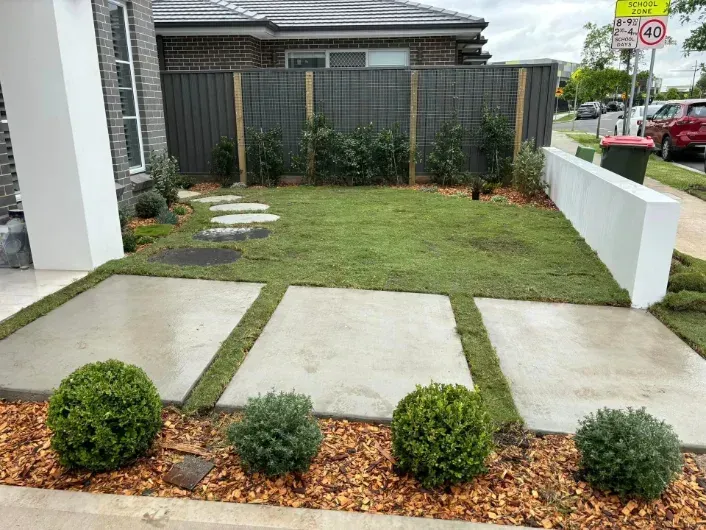
For narrow frontages, low terraced walls work well. They create layered garden beds while keeping sightlines open to the street. These tiers help organise shrubs and plants neatly, giving the front yard structure and curb appeal without feeling closed in. Materials such as natural stone or timber sleepers soften hard edges and make the entrance look welcoming.
Backyard Retaining Wall Strategy
Multi-Level Solutions for Space and Privacy
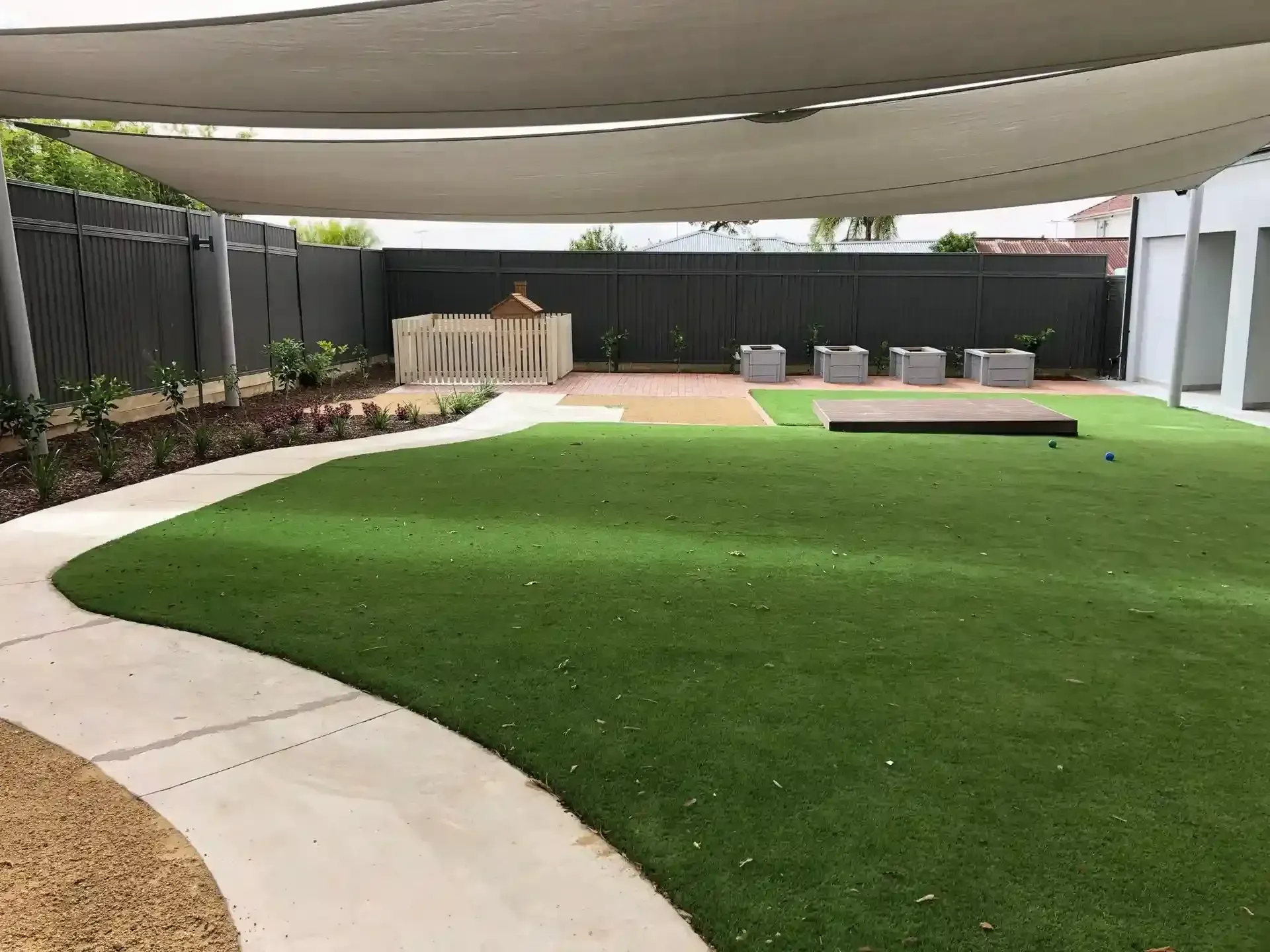
Backyard retaining walls tackle slope control and outdoor living needs at the same time. Multi-level terraces are great for integrating patios, built-in seating, or vertical planting, while also adding privacy from neighbours. Those flat, accessible areas make entertaining and relaxing possible on blocks that would otherwise be awkward to use. Blending natural finishes with hardscaping elevates both function and appearance.
Structural Integrity for Builders
What Is a Retaining Wall for Landscaping?
A retaining wall in landscaping is an engineered structure that holds back soil, preventing slips and erosion. It must resist lateral soil pressure, and be built so it complements the garden rather than working against it. Proper construction and drainage detail matter, especially on steep or varied ground, if long term stability is the goal.
Advantages of Tiered, Segmented Walls
Breaking a tall wall into several lower segments makes engineering simpler and often less costly. Each smaller wall faces lower soil pressure, which eases construction demands and improves overall stability. Segmented designs also help manage drainage more effectively and allow staged planting, which increases the site’s resilience and visual interest.
Aesthetic Finishes and Materials
Comparing Popular Retaining Wall Materials
Material choice depends on how you want the space to look, and what load the wall must carry. Concrete sleepers give a clean, contemporary appearance and they last well. Natural stone brings texture and a classic feel, it also weathers attractively. Timber provides warmth and a softer look, though it will need periodic upkeep to maintain condition. Mixing materials can create contrast and highlight different garden zones.
Landscaping retaining walls, especially tiered designs, are a practical way to manage Sydney’s challenging blocks, creating outdoor areas that are both usable and attractive. Whether defining a small front yard or expanding backyard living, tiered retaining walls balance strength with style. For specific site conditions and structural requirements, seek professional advice to tailor the design and construction.